
Drugalysers, also known as roadside drug testing kits, are devices used by law enforcement to detect the presence of drugs in drivers’ systems during routine traffic stops. They have become an increasingly important tool in combating drug driving, which is a major cause of road accidents and fatalities. In this essay, we will explore the history of drugalysers, their effectiveness, and some of the challenges they present in the context of drug driving cases.
History of Drugalysers
The first drug testing kit was developed in the 1970s, but it was not until the 1990s that they became widely available. The initial drug testing kits were relatively crude and could only detect a limited range of substances. However, with the development of more sophisticated technologies, the accuracy and reliability of drugalysers have improved significantly.
Statistics on Drug Driving
Drug driving is a serious problem around the world. According to the World Health Organization (WHO), drugs are involved in up to 20% of all road accidents. In some countries, drug driving is a more significant problem than drink driving. In Australia, for example, drug driving is responsible for more road fatalities than drink driving.
How do Drugalysers work?
Drugalysers work by detecting the presence of drugs in a person’s saliva or breath. The most common type of drug testing kit is the saliva test, which involves swabbing the inside of the driver’s mouth with a test stick. The test stick is then inserted into the drug testing device, which analyzes the sample for the presence of drugs.
The most commonly tested for drugs include cannabis, cocaine, and amphetamines. These substances are considered to impair a driver’s ability to operate a vehicle safely.
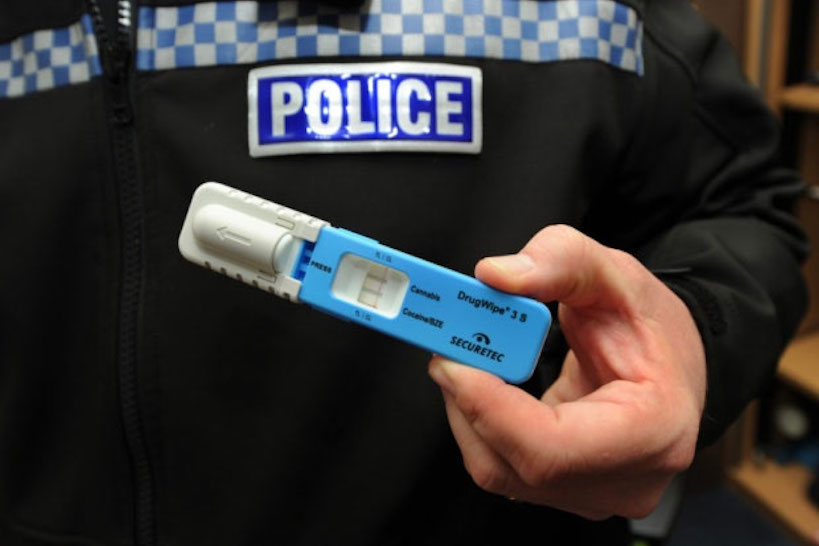
Using Drugalysers in Drug Driving Cases
Drugalysers are used by law enforcement officers to detect drug use in drivers. If a driver tests positive for drugs, they can be charged with drug driving. Depending on the jurisdiction, the penalties for drug driving can be severe, including fines, license suspension, and imprisonment.
Successful Defences against Drugalysers
There are several possible defences against drugalysers in drug driving cases, although the specific defence that is used will depend on the circumstances of the case. Some possible defences include:
- Challenging the accuracy of the drugalyser: The reliability of drugalysers has been questioned in some cases, and it is possible to challenge the accuracy of the test results in court. This may involve presenting evidence to suggest that the drugalyser was not properly calibrated, maintained, or operated, or that the sample was contaminated in some way.
- Arguing that the driver was not impaired: A positive result from a drugalyser does not necessarily mean that the driver was impaired at the time of the offence. It is possible to argue that the drug was consumed some time before driving and had no impact on the driver’s ability to drive safely.
- Contesting the legality of the stop: The police must have a lawful reason for stopping a driver and administering a drugalyser test. If the stop was not justified, any evidence gathered as a result of the stop may be excluded from the case.
- Arguing that the driver did not give informed consent: In order for a drugalyser test to be admissible in court, the driver must have given informed consent. If the driver was not properly informed of their rights and the consequences of refusing to take the test, the results may be challenged.
It is important to note that these defences are not guaranteed to be successful in all cases, and the specific circumstances of the case will determine which defence strategies are most appropriate. An experienced criminal defence lawyer can provide advice and guidance on the most effective defence strategy in a particular case.

Drugalysers & Drug Driving FAQs
Can I refuse a drug test?
Refusing a drug test can lead to serious consequences, including fines and license suspension. In some jurisdictions, refusing a drug test is a criminal offence.
How long do drugs stay in my system?
The length of time drugs stay in a person’s system varies depending on the drug and the individual. Generally, drugs can be detected in saliva for up to 24 hours, while they can remain in urine for several days.
Can prescription drugs lead to positive drug test results?
Some prescription drugs can lead to positive drug test results. If you are taking prescription medication, it is important to inform the law enforcement officer conducting the drug test.
Are drugalysters always accurate?
The drugalyser works by using a lateral flow immunoassay, which is a type of diagnostic test that uses antibodies to detect the presence of drugs in the saliva sample. When the sample is applied to the drugalyser, it reacts with the antibodies, causing a colour change that indicates the presence of drugs.
While drugalysers are designed to be accurate, they are not infallible and there have been some concerns about their reliability. Some factors that can affect the accuracy of drugalysers include the type of drug being tested for, the sensitivity of the device, and the way the sample is collected and handled.
Additionally, it is important to note that a positive result from a drugalyser is not necessarily proof of impairment. A driver may have drugs in their system but may not be impaired, or may have taken drugs at a time when they were not intending to drive. Therefore, drugalyser results are often used in conjunction with other evidence, such as observations of the driver’s behaviour or the results of a field impairment test, to determine whether a driver is impaired and should be charged with drug driving.
Is a drugalyser enough for a drug driving conviction or is a blood/urine sample required?
In the UK, a drug driving conviction can be based on either a blood or urine sample or a positive result from a drugalyser. If a drugalyser test indicates the presence of a controlled drug in a driver’s system, they can be arrested and taken to a police station for further testing.
At the police station, a second drugalyser test may be conducted, or the driver may be asked to provide a blood or urine sample for laboratory analysis. The results of these tests, along with any other evidence gathered by the police, such as observations of the driver’s behaviour or the results of a field impairment test, can be used to support a charge of drug driving.
It is important to note that while a positive result from a drugalyser can be used as evidence in a drug driving case, it is not necessarily enough on its own to secure a conviction. The prosecution must still prove beyond a reasonable doubt that the driver was impaired by drugs at the time of the offence, and may need to rely on additional evidence to do so.
In summary, a drug driving conviction can be based on either a positive result from a drugalyser or a blood or urine sample. However, the prosecution must still prove that the driver was impaired by drugs at the time of the offence, and may need to rely on additional evidence to do so.
Conclusion
Drugalysers are an essential tool in combating drug driving, a serious problem that contributes to road accidents and fatalities. While there have been some successful defences against their use in drug driving cases, drugalysers have become an important part of law enforcement efforts to keep our roads safe. As drug driving continues to be a major problem worldwide, the use of drugalysers is likely to become even more widespread in the future.

Neil Sargeant
https://www.motoringdefencesolicitors.co.uk/about/neil-sargeant/Neil has specialised in road traffic law since 2008 and has worked in the UK’s leading motoring defence law firms which include 2 previous departments he had started and managed himself.

